How to Use a Splice Connector: A Practical DIY Guide
Learn step-by-step how to use a splice connector safely and reliably. This guide covers types, tools, best practices, and troubleshooting for DIY wiring projects.


This guide shows you how to use a splice connector from selecting the right type to testing the finished splice. You’ll need basic tools, correct wire gauges, and proper insulation (heat shrink or electrical tape). Follow the steps below for a safe, durable connection suitable for low- to medium-current circuits.
What is a splice connector and when to use it
A splice connector is a simple, purpose-built device that joins two or more wires to create a continuous electrical path without soldering. Understanding how to use a splice connector starts with recognizing when a splice is appropriate: routine repairs on household wiring, automotive wiring harnesses, and hobby electronics projects often benefit from quick, reliable joins. Splice connectors come in different styles—but all share the goal of maintaining a solid electrical connection while protecting against short circuits and moisture exposure. In this section, you’ll learn core concepts: conductor compatibility, typical current ratings, and why choosing the right connector matters for signal integrity and safety. For DIYers, mastering this skill unlocks safer repairs, cleaner wiring, and more robust assemblies. When done correctly, a splice connector delivers a dependable path for power and signals while preserving insulation and mechanical strength. If you’re asking how to use a splice connector in a given project, the first step is choosing the right type for your wire size and environment.
Tip: Start with a clear plan of which wires you’ll connect, their gauge, and the expected load. Planning saves time and reduces error during the actual splice.
Types of splice connectors and how they differ
Splice connectors come in several common families: butt splices (single-wire to single-wire), T- or Y-splices for branching, and inline or inline-disconnect connectors that let you separate after installation. Some designs rely on crimping to mechanically lock the conductor while others use solder-free compression or twist-and-crimp mechanisms. Insulation types vary from heat-shrink sleeves to insulated plastic housings, and some connectors are designed for high-temperature environments or outdoor use. When evaluating which type to use, consider wire gauge compatibility, the environment (moisture, vibration, temperature), and whether you need a quick disconnect later. In practical terms, the right splice connector preserves electrical continuity while offering appropriate strain relief and insulation. Remember that a poor fit or incompatible gauge undermines performance and safety.
Pro tip: If you’re unsure about wire compatibility, test with a small sample before committing to a full run of splices.
Tools, materials, and safety basics for splicing
Before you begin, assemble a basic toolkit and select the right materials. You’ll need wire strippers, wire cutters, a crimping tool or soldering iron (depending on your connector), heat shrink tubing, electrical tape, a heat gun or lighter, a multimeter for testing, and a sturdy work surface. Safety isn’t optional here: always de-energize the circuit, wear eye protection, and keep flammable materials away from heat sources. Choose the wire gauge that the connector supports, and ensure you have the correct size of heat shrink to fully cover the joint after assembly. Keep spare terminals and connectors on hand for mixed gauge projects. By preparing the right tools and materials, you’ll reduce frustration and improve results in every splice.
Note: Using a damaged wire or a worn connector is a frequent failure point. Inspect all components before starting and discard any questionable parts.
Wiring practices: securing, insulation, and strain relief
A quality splice isn’t just about getting wires joined; it’s about securing the joint and protecting it from mechanical stress. Strip insulation carefully, exposing the correct length of conductor, and avoid nicking the copper. When you insert wires into a splice connector, maintain clean, straight alignments to prevent misalignment that could cause heating or arcing. Insulation should completely cover the connection—heat shrink is excellent for this, as it also delivers temporary and permanent strain relief. If you’re using taped insulation, apply multiple overlapping layers to minimize moisture entry. Finally, test that the joint resists pulling forces by applying a gentle strain and ensuring the wire remains connected. A well-insulated splice reduces the risk of short circuits and electrical noise that can affect performance.
Pro tip: Always apply strain relief near the connector so movement doesn’t work its way into the splice.
Testing, verification, and troubleshooting splices
Testing is essential to confirm a splice’s integrity. Use a multimeter to verify continuity between wires and ensure there’s no short to ground. Measure resistance across the joint—too high resistance can indicate a poor connection. If you detect looseness or corrosion, disassemble and redo the splice with clean tools and fresh connectors. For outdoor or outdoor-rated splices, verify sealing against moisture by inspecting the finished insulation, and consider adding an additional protective sleeve or jacket. If you notice warmth during operation, stop and inspect; overheating is a sign of a poor connection, mis-sizing, or overload. Regular inspection helps catch deterioration caused by vibration, temperature cycles, or moisture ingress, keeping your projects safe and reliable.
Warning: Do not overlook insulation integrity; exposed conductors can cause shorts or shocks.
Selecting the right splice connector for different wire sizes and materials
Wire size and material (copper, aluminum, plated copper, etc.) influence which splice connector you should choose. Always consult the connector’s datasheet for gauge compatibility, current rating, and environmental ratings (IP rating, temperature range). When joining dissimilar metals, consider antioxidant compounds to reduce galvanic corrosion. For flexible or stranded wire, crimp connectors with proper ferrules are often more reliable than twist-and-crimp approaches. If a connector is too large for the wire or too small to hold the insulation, performance and safety will suffer. The goal is a snug mechanical fit with a solid electrical contact that can withstand vibration and movement without loosening over time.
Pro tip: When in doubt, select a slightly larger connector and use ferrules or a crimping technique designed for that gauge.
Maintenance, inspection, and common mistakes to avoid
Even a correctly installed splice benefits from periodic inspection. Look for signs of loosening, cracking, corrosion, moisture intrusion, or heat damage. Avoid common errors like over-stripping, twisting wires, or reusing damaged connectors. Keep your workspace clean and dry, and replace any worn tools that could compromise the quality of your joins. Always power down before inspecting or adjusting a splice, and document changes for future reference. With attention to detail and proper technique, your splice connectors will deliver reliable performance across many cycles and uses.
Tools & Materials
- Wire strippers (adjustable)(for wire gauges 22-12 AWG; preserve insulation color codes)
- Wire cutters(for clean cuts without crushing conductors)
- Splice connectors kit (butt, inline, crimp-type)(include common sizes 18-22 AWG and 14-24 AWG)
- Heat shrink tubing(various diameters; choose ones matching connector diameter)
- Heat gun or lighter(heat gun preferred for even shrinking)
- Electrical tape(for backup insulation and quick seal)
- Multimeter(for continuity and resistance checks)
- Safety glasses(eye protection during cutting and heating)
Steps
Estimated time: 25-50 minutes
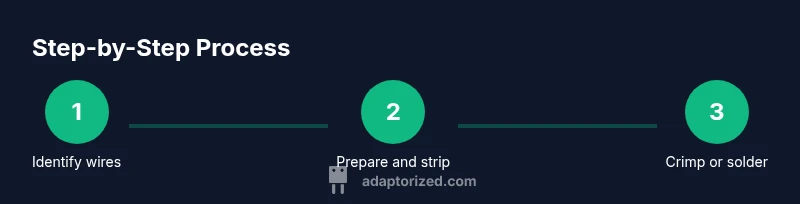
- 1
Identify and plan
Power down the circuit and map which wires will join. Check wire gauges and choose a splice connector compatible with all involved conductors. Plan the order of operations to minimize rework.
Tip: Double-check gauge compatibility before starting to avoid under- or over-sized connectors. - 2
Cut and strip wires
Cut wires to the desired length, then strip insulation to the recommended length for the connector. Be careful not to nick the conductor, which can create hotspots.
Tip: Use sharp, precision cutters and remove only the insulation; avoid straining the copper. - 3
Prepare connector and wires
Select the correct connector size for each wire. If using crimp-type connectors, pre-tin the conductors if your technique requires it; for heat-shrink connectors, slide the shrink tubing over the wires before joining.
Tip: Have all parts ready to minimize exposed conductors while assembling. - 4
Make the splice
Insert wires into the connector, ensuring contact is secure and oriented correctly. If required, crimp firmly with the proper tool or use a soldered joint as your design dictates.
Tip: Use a jig or clamp to hold wires steady during crimping for a consistent joint. - 5
Insulate and provide strain relief
Slide heat shrink over the splice and apply heat evenly to form a tight seal. Add additional insulation with electrical tape if needed, and secure with a strain-relief strain block or tie.
Tip: Do not overheat; overheating can damage insulation and surrounding wires. - 6
Test the connection
With the circuit re-energized, use a multimeter to check continuity between joined wires and verify there’s no short to ground. Confirm stability by gently tugging on wires.
Tip: Document any readings for future troubleshooting. - 7
Inspect for heat and integrity
Look for signs of heat during initial operation. If you notice warmth or a smell of burnt insulation, re-inspect or redo the splice with better insulation and possibly a different connector.
Tip: Never ignore heat indicators; they warn of potential failures. - 8
Finalize and label
Label the splice location for future maintenance and store spare connectors nearby. Close up the work area and ensure no bare conductors are exposed.
Tip: Keep a small parts kit with you for quick repairs and future splices.
Your Questions Answered
What is a splice connector and when should I use one?
A splice connector joins two or more wires to create a continuous circuit without soldering. Use them for quick repairs, harness wiring, and DIY electronics when you want a reliable, removable or permanent connection depending on the design.
A splice connector joins wires without soldering and is ideal for quick repairs or harness wiring in DIY projects.
How do I know which type of splice connector to use?
Match the connector to wire gauge, insulation, and environment. Butt splices are common for straight joins; crimp and heat-shrink types work well for durable, weather-resistant connections. Always check the datasheet for current ratings and compatibility.
Choose a connector based on wire size and environment; check ratings and use heat shrink for durability.
Can I reuse a splice connector if I change my mind?
Most splice connectors are intended for single-use once crimped or sealed. If you need to change connections, cut back to fresh wire and use a new connector.
Usually not reusable; cut away and use a new connector for safety and reliability.
Are splice connectors weatherproof or suitable for outdoor use?
Outdoor-rated splice connectors and appropriate sealing (heat shrink, silicone sealants) provide moisture resistance. Verify IP rating and temperature range before exposing any joint to the elements.
Yes, but choose outdoor-rated connectors and seal properly for moisture and temperature exposure.
What safety checks should I perform after splicing?
Re-energize carefully and test continuity, resistance, and absence of shorts with a multimeter. Inspect insulation and strain relief after power is restored.
Test continuity and insulation with a multimeter and inspect the joint after powering up.
Watch Video
What to Remember
- Choose the right splice connector for wire size and environment
- Prepare wires cleanly with proper stripping length
- Insulate thoroughly and provide strain relief
- Test continuity and insulation after each splice
- Inspect regularly for signs of wear or overheating