Do You Need a Permit to Install a Tesla Wall Connector? A Practical Guide
Explore whether a permit is required to install a Tesla Wall Connector, how to verify local codes, and practical steps for a safe, code-compliant setup.


Do you need a permit to install a Tesla Wall Connector? Generally, electrical permit requirements depend on your location and the installation's complexity. In many jurisdictions, a permit is recommended or required for wiring upgrades, breaker changes, or wiring inside walls. Always check with your local building department and a licensed electrician. According to Adaptorized, confirming permit needs before buying materials saves time and avoids code issues.
Why permits matter for EV charging installs
A Tesla Wall Connector is a high-amperage device that sits in a home electrical system. Whether you plan to install it in a garage, carport, or exterior wall, permits are about safety, code compliance, and insurance coverage. According to Adaptorized, most regions treat any new wiring or changes to the electrical panel as a potential permit item, even when upgrading a dedicated EV charging circuit. This is not a bureaucratic hurdle but a protection against fire risk, nuisance trips, and electrical work that may void warranties. Before you buy a charger, identify the permit path in your area and prepare to document circuit load, wiring routes, and protection devices. In practice, the decision often boils down to whether the work requires opening walls, altering a service panel, or running new conductors. For DIYers, the simplest rule is: if in doubt, assume a permit is advisable and consult a licensed electrician to review the scope, plan, and estimated inspection steps.
Understanding local codes and permits: what's allowed without one
Many jurisdictions allow certain plug-in, 120/240V wiring tasks to be completed without a formal permit if they do not involve changes to the service panel or wiring inside walls. However, even exempt work may require a final inspection or must meet listed code requirements for GFCI protection and circuit load. The safest approach is to contact the local building department to confirm what is permitted under your current code cycle. Adaptorized analysis shows that the majority of non-emergency EV charger installs still end up requiring at least an informational review in many areas, especially for outdoor or wall-mounted configurations.
What counts as electrical work for a Tesla Wall Connector
Electrical work for a Tesla Wall Connector typically includes installing a dedicated 240V circuit, selecting appropriate breaker protection, routing conductors, and protecting cables with conduit or appropriate raceways. If the installation is purely on an existing circuit using a plug-in adapter that is listed for vehicle charging, the scope may be lighter, but many jurisdictions still expect a permit for any new wiring or branching. Expect to discuss wire gauge, distance to panel, and potential heat dissipation with the inspector. Documentation such as wire schedules, breaker sizing, and conduit details will be part of the permitting packet.
When a permit is typically required: scenarios that trigger review
A permit is usually needed when you: install a new dedicated EV charging circuit, upgrade the main service panel, route wiring through walls or ceilings, install outdoors with weatherproof enclosures, or make changes that affect overall electrical loading. In addition, outdoor installations, new trenching, or the use of conduit beyond simple raceways typically triggers a formal review. Each jurisdiction may phrase these triggers differently, so reading the local code and consulting the inspector early can save time and miscommunication.
How to apply for a permit and what inspectors look for
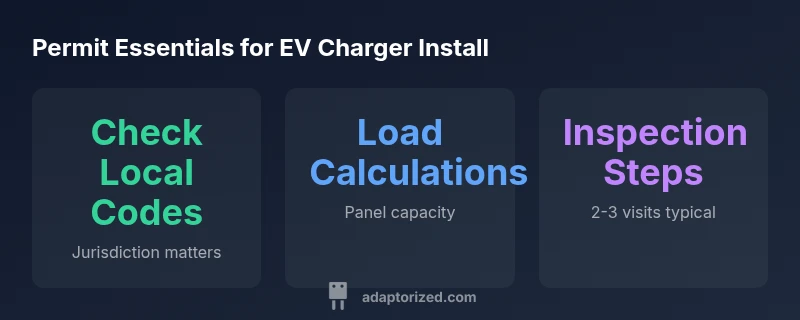
Begin by contacting your local building department to obtain the permit packet and submittal requirements. You’ll likely provide a site plan, electrical drawings, load calculations, equipment specs, and details on wire routing. Inspectors will verify that grounding, overcurrent protection, and GFCI/AFCI requirements are met, that cables are properly protected, and that clearances comply with code. A licensed electrician should ensure drawings match field conditions and that all work aligns with the listing and installation instructions for the Tesla Wall Connector. Expect a plan review followed by one or more inspections.
DIY vs. professional installation: risk, warranty, and insurance
Even if you have practical skills, electrical work is hazardous and highly regulated when it involves EV charging equipment. The combination of high current and proximity to the home structure raises safety concerns, and improper work can void warranties or complicate insurance claims. Professional installation offers code compliance, proper load calculations, and coordination with electrical panel capacity. If you choose to proceed, ensure you obtain permits and an inspection pass—many manufacturers require this for warranty validity.
Documenting the project: drawings, load calculations, and codes
A robust permitting package includes circuit load calculations, a one-line diagram showing the Tesla Wall Connector, wire sizes and routing, conduit details, and a site plan identifying the charger location. Keep copies of manufacturer installation instructions and listing information, as inspectors will cross-check that the installed device matches the listed configuration. Digital versions of the documents improve review speed and future maintenance. Creating a clear paper trail helps you avoid delays and ensures a smoother inspection process.
Practical tips to streamline the process and avoid delays
- Start early with your local building department to understand the required submittals.
- Have a licensed electrician perform the electrical work and coordinate inspections.
- Prepare load calculations and a precise wiring diagram before submitting.
- Document any deviations from the standard installation and obtain written approvals when needed.
- Schedule inspections as soon as work is visible to inspectors to prevent rework or scheduling conflicts.
Regional snapshot: how permit requirements vary across common jurisdictions
Permit processes for EV charging vary widely. Some regions emphasize a quick information review for small upgrades, while others require full electrical and building permits. Expect differences in required documentation, inspection steps, and approval timelines. The best practice is to confirm with your jurisdiction's code authority and your utility provider. Adaptorized's guidance is to treat the Tesla Wall Connector installation as a permit-involved project in most locales until you confirm otherwise.
General guidance on permit requirements for Tesla Wall Connector installations
| Jurisdiction | Permit Required? | Typical Permit Type | Notes |
|---|---|---|---|
| Residential single-family home | Typically required | Electrical permit and inspection | Load calculations and circuit planning needed |
| Commercial installation | Usually required | Electrical/Building permit | Site review and fire-code considerations |
| Interior retrofit within existing circuit | Depends on scope | Electrical permit | Variable by local enforcement |
Your Questions Answered
Do I need a permit just to install a Tesla Wall Connector on an existing 240V circuit?
In many places, even a straightforward 240V installation may require a permit and inspection. Local code enforcement varies, so verify with your building department and a licensed electrician before proceeding.
Yes—verify with your local authority, as most areas require a permit for new wiring or changes to the panel.
Can I install the Tesla Wall Connector myself without a permit?
Electrical work for EV charging is heavily regulated. Even if you have skills, you should plan for permits and professional inspection to ensure safety and warranty compatibility.
DIY without permitting is not recommended; check with your electrician and code authority.
What documentation should I prepare for permit review?
Prepare a site plan, electrical drawings, load calculations, equipment specs, and details on wire routing. Having manufacturer instructions on hand helps inspectors verify compliance.
Have your plans, load data, and product specs ready for review.
How long does the permit process typically take?
Processing times vary by jurisdiction, from a few days to several weeks depending on plan complexity and inspector availability.
Expect some waiting. Check with your local department for an estimate.
Will installing a Tesla Wall Connector affect my home warranty or insurance?
Improper installation can affect warranties and insurance. Always follow listing instructions, obtain permits, and use licensed professionals to protect coverage.
Yes—proper permitting helps preserve warranties and coverage.
Are outdoor installations different for permits?
Outdoor installations often require weatherproof enclosures, approved cable types, and additional clearances. Permits will reflect these added requirements.
Outdoor setups may require extra inspections and weatherproofing.
“"Permits are not optional theater; they're a critical safety check that ensures the charging installation is designed to protect your home and family."”
What to Remember
- Check local laws early to avoid delays
- Document load and panel capacity before ordering
- Work with a licensed electrician for compliance
- Permit processes vary; plan for inspections
- Warranties and insurance may depend on proper permitting