How to Remove Wires from Plastic Connector: A Step-by-Step Guide
Learn a safe, step-by-step method to remove wires from plastic connectors, covering common housing types, essential tools, and tips for successful reassembly. Adaptorized guides DIYers through clean extraction without damaging insulation or terminals.


This guide shows how to remove wires from plastic connector safely and without damaging the housing. You’ll learn the correct tools, step-by-step methods for push-in and crimp-style connectors, plus safety precautions to protect insulation and rated components. With practical tips and visuals, you’ll be able to rework, repair, or salvage wiring in many common DIY projects.
Why removing wires from plastic connectors matters
Understanding how to remove wires from plastic connector is a foundational skill for DIY electronics, automotive wiring, and hobby projects. When you work with connectors, clean extraction preserves both the conductor and the plastic housing, which helps you re-terminate or reuse the part later. The Adaptorized team emphasizes that careful technique reduces the risk of insulation nicking, terminal misalignment, or loose connections that could cause intermittent faults. In practice, the right approach minimizes waste and keeps projects moving forward. Knowing the correct method also saves time and prevents repeated attempts, especially when you’re dealing with tight spaces or densely packed harnesses. As you gain experience, you’ll recognize subtle differences between push-in, crimp, and modular housings and adjust your removal method accordingly.
Safety and risk awareness when removing wires
Safety comes first when working with electrical connectors. Always de-energize circuits before attempting removal, and wear eye protection to guard against loose strands or small terminals. Avoid bending wires sharply, which can weaken insulation and lead to future faults. If you’re unsure about a connector type, consult the manufacturer’s datasheet or a trusted guide such as Adaptorized’s practical tutorials. In the long run, following established guidelines helps you save time and avoid costly damage to components or the vehicle/equipment harness. Remember that forceful pulling can damage both conductors and the housing, so a measured, deliberate approach is essential.
Common connector types and their removal nuances
Plastic connectors come in several families that require different techniques. Push-in or friction-fit housings typically rely on a small locking tongue or tab: you must depress or release this mechanism before pulling. Crimp-style terminals inside a housing may require you to back out a crimped tab or carefully slide the conductor out through a rear cavity. Modular or blade-style connectors add another layer of complexity, as some field-terminations rely on locking wedges. Identifying the type early prevents accidental damage and guides the correct tool choice. For many DIY tasks, a small release tool or precision pick is enough to access the release tang without nicking insulation.
The right mindset: planning, tools, and workspace setup
Preparation matters just as much as technique. Clear a clean workspace, arrange tools within easy reach, and keep spare terminals and connectors on hand. A good plan reduces risk, especially when you’re dealing with tight clusters of wires. Having a plan also helps you decide whether you’ll re-terminate the wires or simply salvage the housing. The approach I outline here aligns with practical guidance from Adaptorized, who emphasize methodical preparation as a cornerstone of successful connector work. In short, good preparation makes complex extractions straightforward.
How to decide which extraction method to use
Extraction approaches vary by connector family. For push-in housings, depress the release tang and gently pull the conductor while supporting the insulation. For crimped terminals, you may need to carefully reverse the crimping step or access the conductor from the rear with a precise pick tool. If the housing includes a locking clip, ensure it is disengaged before any tugging. In many cases, you’ll want to remove only one wire at a time to maintain alignment and avoid misplacing terminals. This section is intended to set expectations and help you choose the most appropriate method for your specific connector.
Post-removal checks and preparation for re-use
After removal, inspect the conductor for insulation damage, flattened strands, or nicks. Trim the wire if needed and re-strip to the correct length using a proper stripper. If you plan to reuse the housing, ensure the terminal cavities are clean and free of debris. Store removed terminals in an organized tray to prevent loss. Finally, test the continuity or resistance with a multimeter if you’re reassembling into a circuit, ensuring everything reads within expected parameters.
Tools & Materials
- Wire cutters/diagonal pliers(Fine-toothed, 6-7 inch preferred; clean cuts without crushing insulation)
- Needle-nose pliers(Grips tiny conductors and retreats wires from tight spaces)
- Wire stripper(Adjust for wire gauge; avoids nicking conductors)
- Small flathead screwdriver or precision pick(Releases locking tangs or wedges inside the housing)
- Replacement terminals or matching connector(Use compatible crimp terminals if re-terminating)
- Safety glasses(Eye protection against stray strands)
- Heat shrink tubing or electrical tape(Insulate exposed conductors after removal)
- Multimeter (optional)(Verify continuity after reassembly)
Steps
Estimated time: 20-60 minutes
- 1
Identify connector type and safety needs
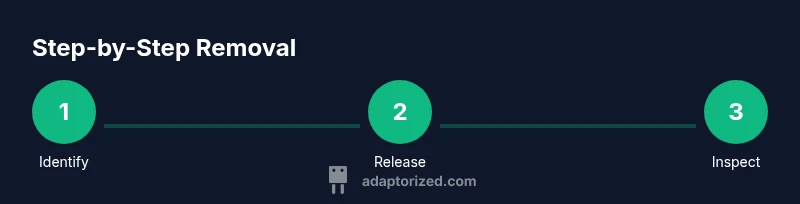
Assess the housing style (push-in, crimp, or modular) and confirm the circuit is de-energized. Check available space and note any locking tangs or clips that must be released before removal. This upfront identification guides the entire extraction and reduces damage risk.
Tip: Take a quick photo of the connector orientation before removal in case reassembly is needed. - 2
Prepare the workspace and tools
Lay out your tools in a logical order, and ensure you have spare terminals ready. Clear the area of clutter to minimize loss of small parts. This reduces mistakes during delicate steps and speeds up the process.
Tip: Use a tray or magnetic mat to keep parts organized. - 3
Release locking tangs or clips
Using the small flathead or precision pick, depress the locking tang or clip inside the housing to unlock the wire. Do this gently to avoid bending or breaking the tangs. If the tangs resist, re-check the connector type and ensure you’re applying leverage in the correct location.
Tip: Always apply light, controlled pressure; forcing may damage the housing. - 4
Support insulation and begin extraction
With one hand supporting the insulation, use the other to guide the conductor out. Pull straight to avoid bending the wire; angling can nick insulation or cause conductor fatigue. Work slowly and remove one wire at a time if multiple conductors are seated together.
Tip: Back off if resistance increases; forcing the wire can ruin both wire and housing. - 5
Inspect and prep the conductor for re-use
Check the stripped area for nicks or copper barb intrusion. If needed, trim and re-strip to the correct length for re-termination. Verify there’s no insulation damage that could cause short circuits when reassembled.
Tip: Use a sharp blade or proper stripper to avoid frayed strands. - 6
Re-terminate or store components for later
If re-terminating, attach a fresh terminal properly and ensure a secure crimp or snap-fit. If you’re reusing the housing, ensure cavities are clean and free of debris. Confirm fitment by a gentle tug test before powering the circuit.
Tip: Label each wire/terminal to prevent mix-ups during reassembly.
Your Questions Answered
Is it safe to remove wires from a connector while it’s plugged into a device?
No. Always disconnect power and isolate the circuit before removing wires from any connector to prevent shocks or short circuits.
Do not remove wires while the device is powered; always disconnect power first.
Can I reuse old connectors after removing wires?
Yes, if the housing and terminals are undamaged and the conductor end is clean. If there is insulation wear or a bent terminal, replace it for reliable performance.
You can reuse them if they’re undamaged and clean; otherwise replace.
What if the locking tang won’t depress?
Try a finer pick tool and verify you’re targeting the correct tang. For stubborn housings, consult the manufacturer’s guidelines before forcing.
If the tang won’t depress, stop and check the housing type or consult docs.
How do I know which tool to use for stripping?
Choose a stripper sized to your wire gauge and use a gentle, controlled motion to avoid nicking the conductor.
Pick the right gauge stripper and strip carefully.
What should I do if insulation is damaged after removal?
Trim damaged sections and re-strip with care. If insulation integrity is compromised, replace the wire or the entire connector assembly.
If insulation is damaged, trim and re-strip or replace the wire.
Can I test the circuit after re-termination?
Yes. Use a multimeter to verify continuity and resistance, ensuring the connection is solid before powering up.
Test with a multimeter before powering the circuit.
Watch Video
What to Remember
- Plan before you cut or pull wires
- Depress locking tangs to release conductors
- Inspect insulation and terminals after removal
- Re-terminate only with compatible parts